Nuclear Preparedness Supplies: What You Actually Need
The supplies official guidance actually lists for a radiation emergency, what is optional, and why most specialist gear is not on the list.
Key Takeaways
- 1Start with the Ready.gov basics: water, food, a radio, a flashlight, batteries and first aid, plus your medicine.
- 2For radiation, add a spare change of clothes for each person and a trash bag for contaminated clothing.
- 3Store water and sealed food where you would shelter. Boiling does not remove radioactive material.
- 4Potassium iodide is only for use on official instruction, and it does not help after a nuclear bomb.
- 5Hazmat suits, gas masks and detectors are not on the official supply lists.
You do not need specialist gear to follow official guidance for a radiation emergency. The list below comes from US agencies, and we link each source. Your shelter and what you do in the first hours matter more than anything you can buy. Start with what to do.
The basic kit
Ready.gov lists these as a basic emergency kit:
- Water: one gallon per person per day for several days
- At least a several-day supply of non-perishable food, and a manual can opener
- A battery-powered or hand-crank radio, and a NOAA Weather Radio with tone alert
- A flashlight, extra batteries, a first aid kit and a whistle
- A dust mask, plastic sheeting, scissors and duct tape
- Moist towelettes, garbage bags and plastic ties
- A wrench or pliers, local maps, and a cell phone with chargers and a backup battery
It also suggests prescription medicines, glasses, infant supplies, pet food, cash, copies of important documents, and a change of clothes. Print our 72-hour checklist.
What radiation adds
Ready.gov asks you to include a spare change of clothes for each family member, a trash bag for contaminated clothing, and sealed food, water and medicine. It also suggests having several ways to receive alerts. Removing your outer layer of clothing can remove up to 90% of radioactive material, which is why spare clothes matter.
Water
- Ready.gov says to store at least one gallon per person per day for several days. Children, nursing mothers and sick people may need more.
- CDC says bottled water is the only water known to be free of contamination until officials say other sources are safe, and that boiling tap water will not remove radioactive materials.
- FEMA says in its public messages that water filters do not get rid of radiation, so do not count on a filter for this. In other emergencies, CDC says portable filters do not remove all germs, and to add a disinfectant after filtering.
- Ready.gov says water from your toilet tank (not the bowl) and water heater is also safe, and that tap water should be used to stay hydrated if nothing else is available.
Food and medicine
CDC says to eat food in sealed containers, and that unspoiled refrigerator or freezer food, and pantry food away from radioactive material, is also safe. Wipe containers from outside before opening them. Keep taking your medication. If you rely on medicine or a powered device, talk to your medical provider about an outage plan as well.
A radio
Ready.gov says a battery-powered or hand-crank radio will continue to work if other forms of communication fail. Stay tuned is one of the three steps, so keep one with your water and food. Compare emergency radios.
Potassium iodide
Potassium iodide protects only the thyroid, and only from radioactive iodine. CDC says to take it only if told to by officials or a healthcare provider, that it will not help in a nuclear bomb emergency, and to use only FDA-approved products. Read the full KI reference, including FDA's table before buying any. We do not give dose advice.
Masks and plastic sheeting
- Masks. CDC says a mask, cloth or towel over your nose and mouth can reduce what you breathe if you cannot get indoors immediately. It does not replace getting inside. FEMA says the main danger from fallout is penetrating radiation from particles on the ground, which a mask does not stop.
- Plastic sheeting. It is on the general Ready.gov kit list. For fallout, FEMA says structures do not need to be airtight. Close windows and doors and turn off fans first. Never delay getting inside to seal a room.
What is not on the official lists
- Hazmat suits and gas masks. Neither Ready.gov list includes them.
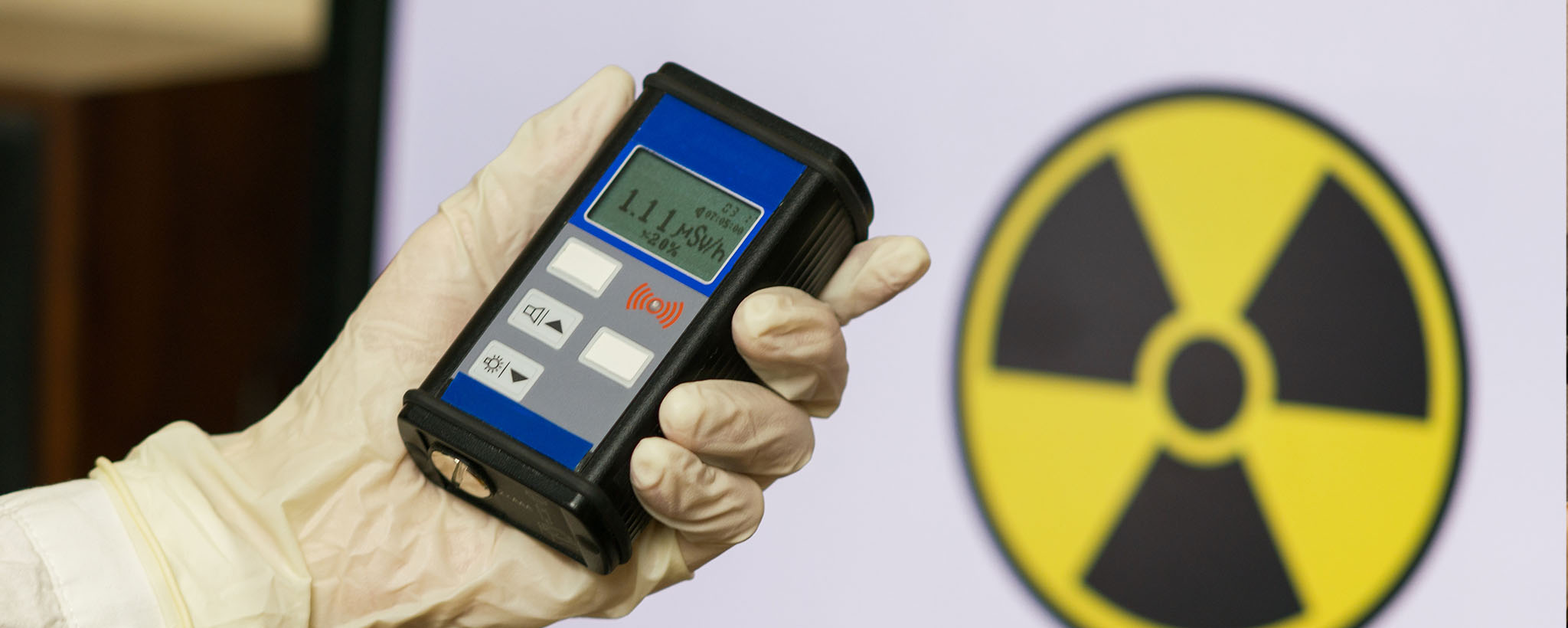
- Radiation detectors. They are optional, and they do not replace official instructions. What to know before you buy one.
- A purpose-built bunker. FEMA counts basements, large buildings, parking garages and tunnels as adequate shelter. How to choose yours.
Keep it where you would shelter
Ready.gov advises storing your kit in easy-to-carry containers, replacing expired items, and rethinking your needs every year. Keep supplies in or near the spot you chose, because after a detonation you should not go outside to get them.
Frequently Asked Questions
Where to Buy
We may earn a commission when you purchase through these links, at no extra cost to you. This helps pay for the site.
Water filters, including any listed here: do not rely on them for radiation. FEMA says water filters do not get rid of radiation. Follow that over any seller's claim. Do not rely on them alone for germs either: CDC says portable filters do not remove all germs, and to add a disinfectant after filtering. SafeHeit has not tested any product listed here.