The Complete Emergency Preparedness Checklist for 2026 (Updated)
The complete emergency preparedness checklist for 2026 — water, food, power, communications, first aid, documents, shelter, and evacuation. Updated for current events and products.
Key Takeaways
- 1Store 14 days of water (1 gallon/person/day) and food (2,000 cal/person/day) as your preparedness foundation
- 2EcoFlow Delta 2 Max solar generator + Midland ER310 radio covers power and communication for most emergencies
- 3Keep a go-bag packed near your front door with 72-hour essentials ready for immediate evacuation
- 4Practice your family communication plan and evacuation routes twice per year — plans fail without rehearsal
- 5Total cost for a family of 4: $1,500-4,000 for comprehensive 2-week preparedness across all categories

Introduction
The most common reason families aren't prepared for emergencies isn't lack of motivation — it's not knowing where to start. This checklist cuts through the noise.
We built this guide around FEMA and Red Cross guidance.
- FEMA and the Red Cross recommend a minimum 72-hour supply; most professionals now recommend 2 weeks
- The 8 core categories: Water, Food, Power, Communication, First Aid, Documents, Shelter, and Transportation
- Start with Water and Food — the foundation everything else builds on
- A portable solar generator eliminates fuel-dependency and powers essentials for multiple days
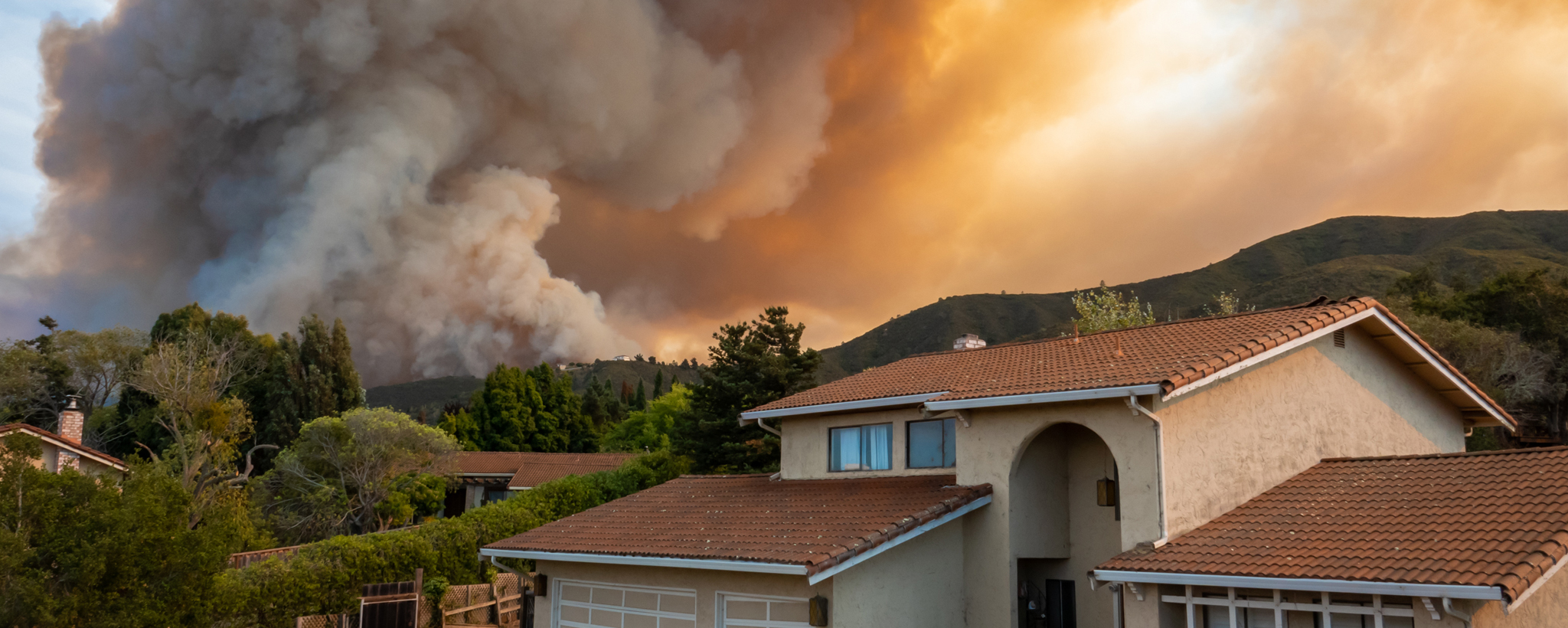
- Review and update your kit annually — ideally every March before hurricane and wildfire seasons
1. Water Supply Checklist
Water is the most critical element. FEMA recommends 1 gallon per person per day. For a family of four over 2 weeks: minimum 56 gallons. A more practical estimate is 80–100 gallons.
- Stored water supply: Minimum 56 gallons in food-grade HDPE containers
- Fill date labels on every container (rotate every 6 months)
- Water treatment drops: Unscented chlorine bleach (8 drops per gallon)
- Water purification tablets (Aquatabs or similar)
- Gravity water filter: Big Berkey or similar — no electricity required
- Portable water filter: Sawyer Squeeze for evacuation kits
- WaterBOB emergency bathtub bladder for sudden-notice emergencies
Milk jugs retain protein residue that breeds bacteria even after washing. Use only containers labeled "food grade" and rated for water storage. Never store water containers directly on concrete floors.
2. Emergency Food Supply Checklist
A 2-week food supply for four requires roughly 84 meal servings minimum. Emergency food should require minimal water and no refrigeration.
- Emergency food kit: ReadyWise 120 Serving Kit or Mountain House Classic Bucket
- Calorie target: 2,000–2,500 calories per adult per day
- Manual can opener (at least two)
- Camp stove and fuel canisters (4–6 minimum)
- Peanut butter, crackers, canned proteins, canned vegetables/fruits
- Comfort foods: coffee, tea, chocolate, hard candy
- Infant formula and pet food if applicable
At 2,000 cal/person/day, a family of four needs ~112,000 calories for 2 weeks. A ReadyWise 120-serving kit provides ~27,600 calories. Plan for 2–3 kits supplemented by canned goods and pantry staples. Count actual calories, not just servings — serving sizes vary widely.
3. Emergency Power Checklist
Power outages are the most common US emergency — over 110 million Americans experienced at least one in 2024, with average duration now 12.8 hours per event.
- Portable solar generator / power station (2,000Wh+ recommended for families)
- Solar panels for recharging during extended outages
- LED flashlights: one per family member plus two spares
- Headlamps for hands-free lighting
- Extra batteries in all sizes your devices use
- Rechargeable battery packs (power banks)
- Extension cords (heavy-duty, outdoor-rated)
- Candles and lighter/matches as backup
A standard refrigerator draws ~150W average. With a 2,048Wh generator like the EcoFlow Delta 2 Max: 2,048 ÷ 150 = ~13.6 hours. Account for 10–15% inverter efficiency loss for a practical estimate of 11–12 hours. Pair with 400W of solar panels and runtime extends indefinitely in sunny conditions.
4. Emergency Communication Checklist
- NOAA weather radio with S.A.M.E. technology (Midland ER310 recommended)
- Emergency whistle: one per family member
- Physical paper road maps for your state and region
- Pre-written laminated contact card with emergency contacts
- Family communication plan with meeting points and out-of-area contact
- Battery backups for phones
- Two-way radios (walkie-talkies) for local communication
FEMA recommends designating an out-of-area contact that all family members can reach. Write down: family meeting point near home, secondary meeting point outside neighborhood, out-of-area contact's name and number, and contact info for each family member's school and employer.
5. First Aid and Medical Checklist
- First aid manual (Red Cross or similar)
- Sterile bandages, gauze pads, medical tape
- Antiseptic wipes and antibiotic ointment
- Elastic bandages and splints
- CPR face shield and tourniquet (with training)
- Prescription medications: minimum 2-week supply
- OTC medications: pain/fever relief, antihistamines, antidiarrheal
- Epinephrine auto-injector if applicable
- Oral rehydration salts and thermometer
6. Important Documents Checklist
- Government-issued IDs, passports, birth certificates, Social Security cards
- Insurance policies (homeowner/renter, auto, health, life)
- Financial account information and credit card numbers
- Medical records, vaccination records, medication lists
- Property documents (deed/lease, mortgage, vehicle titles)
- Emergency contacts list (printed, laminated)
- Current photographs of all family members and pets
- Fireproof, waterproof document safe or bag
- Encrypted USB drive and cloud backup of all documents
7. Shelter and Comfort Checklist
- Sleeping bags or emergency blankets rated for your climate
- Extra blankets and warm layers
- Heavy-duty tarps for emergency repairs
- Duct tape, work gloves, N95 respirators, safety goggles
- Sanitation supplies: 5-gallon bucket with lid, heavy-duty trash bags, toilet paper, hand sanitizer
- Feminine hygiene products (2-week supply)
- Books, board games, and comfort items for children
- Cash in small bills ($100–200)
Identify one interior room (fewer windows, no fireplace) that can be sealed for air quality events. Stock it with: air purifier, sleeping supplies, portable solar generator, water and food for 48–72 hours, and your first aid kit. Practice sealing the room with weatherstripping tape.
8. Transportation and Evacuation Checklist
- Keep vehicle fuel tank at least half full at all times
- Vehicle emergency kit: jumper cables, tire inflation kit, basic tools
- Paper maps (don't rely on GPS during infrastructure outages)
- 72-Hour Go Bag per person: water, food, clothing, documents, first aid, phone/charger, cash, medications
- Know your local evacuation zones and routes
- Pre-identified destination: hotel, family, or shelter
- Practice your evacuation route at least once
Annual Review Checklist
- Rotate water supply — drain, clean, refill all containers
- Check food expiration dates and replace items expiring within 6 months
- Test emergency radio and all battery-powered devices
- Charge and test portable solar generator
- Check prescription medication supplies
- Review and update documents for any changes
- Update children's clothing sizes in go bags
- Review family communication plan with all members
- Test smoke detectors and CO detectors; replace batteries
Frequently Asked Questions
What are the most important items in an emergency kit?
Water is the single most critical supply. After water: a food supply, emergency radio, and a way to stay warm. The five highest-priority investments: water storage + filter, emergency food supply, portable solar generator, emergency radio, and a well-stocked first aid kit.
How much does it cost to build a complete emergency kit?
A solid 2-week kit for a family of four can be assembled for $400–800. A solar generator is the largest single investment ($300–1,000+). Building incrementally over 2–3 months spreads the cost.
Frequently Asked Questions
Bottom Line
Work through this checklist one section at a time. Start with water and food. The families who navigate emergencies without major hardship are the ones who invested a few weekends over several months following a structured list.
Update this checklist every year in March — before the emergency seasons begin.
Where to Buy
We may earn a commission when you purchase through these links, at no extra cost to you. This helps pay for the site.