Nuclear Emergency Preparedness: What Families Should Actually Know
What federal guidance tells families to do in a nuclear or radiation emergency: get inside, stay inside, stay tuned. With every source linked.
Key Takeaways
- 1In nearly every radiation emergency the first steps are the same: get inside, stay inside, stay tuned.
- 2A basement or the center of a large brick or concrete building protects far better than a car or a single-story wood house.
- 3Sheltering usually lasts at least 24 hours. Do not go out to collect family members.
- 4Take potassium iodide only if officials or a healthcare provider tell you to. It does not help after a nuclear bomb.
- 5Keep a battery-powered or hand-crank radio, sealed food, water and medicine where you would shelter.
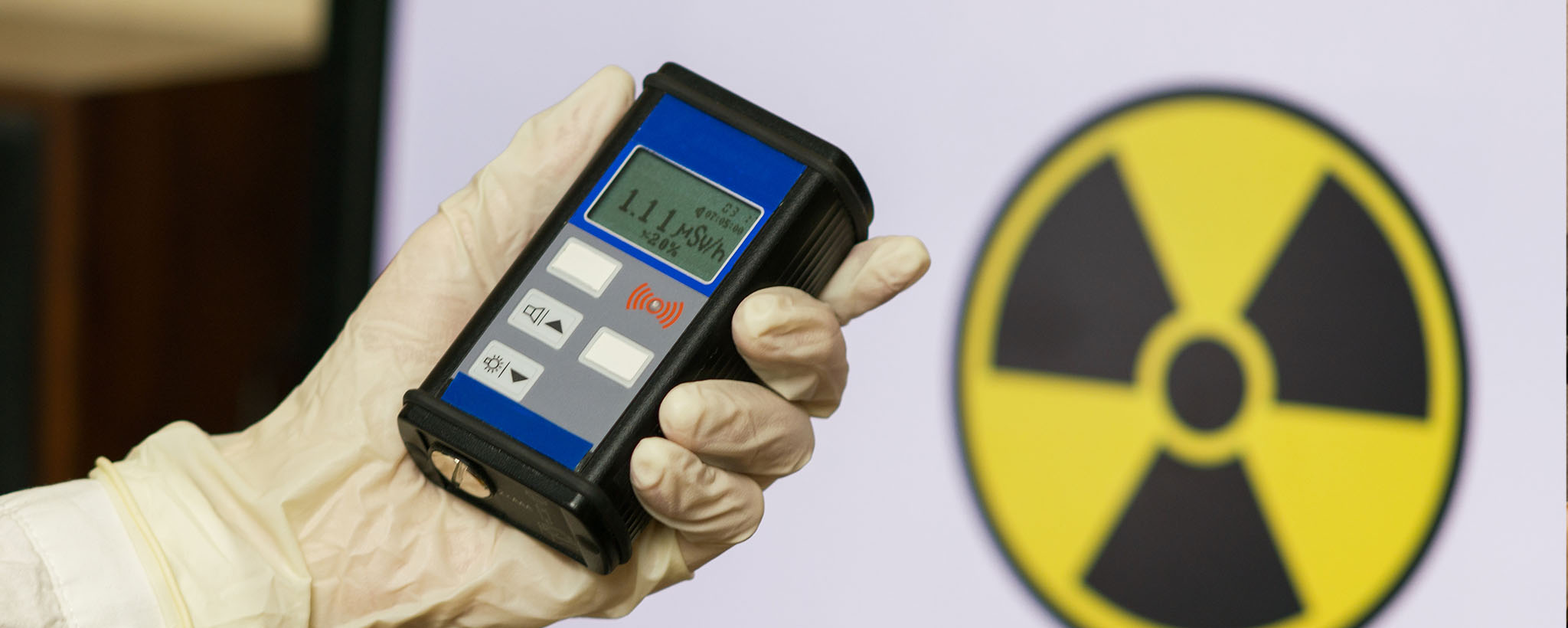
The right response to a nuclear or radiation emergency is simple, and the first minutes matter. This guide summarizes what US agencies tell the public to do, with links so you can read the original. It is general information, not an emergency service or medical advice. In a real emergency, follow local officials.
The three steps
Ready.gov says the best way to stay safe in any radiation emergency is to get inside, stay inside and stay tuned.
- Get inside. Go to the nearest building and move away from windows. Put as many walls as you can between you and the outside.
- Stay inside. Close windows and doors. If possible, turn off fans, air conditioners and forced-air heating that bring in outside air, and close fireplace dampers. Bring pets and service animals inside if you can, without delaying.
- Stay tuned. Follow emergency officials. If you are told to evacuate, listen for routes, shelters and procedures, and do not return until local authorities say it is safe.
Three different emergencies
CDC describes these as different events:
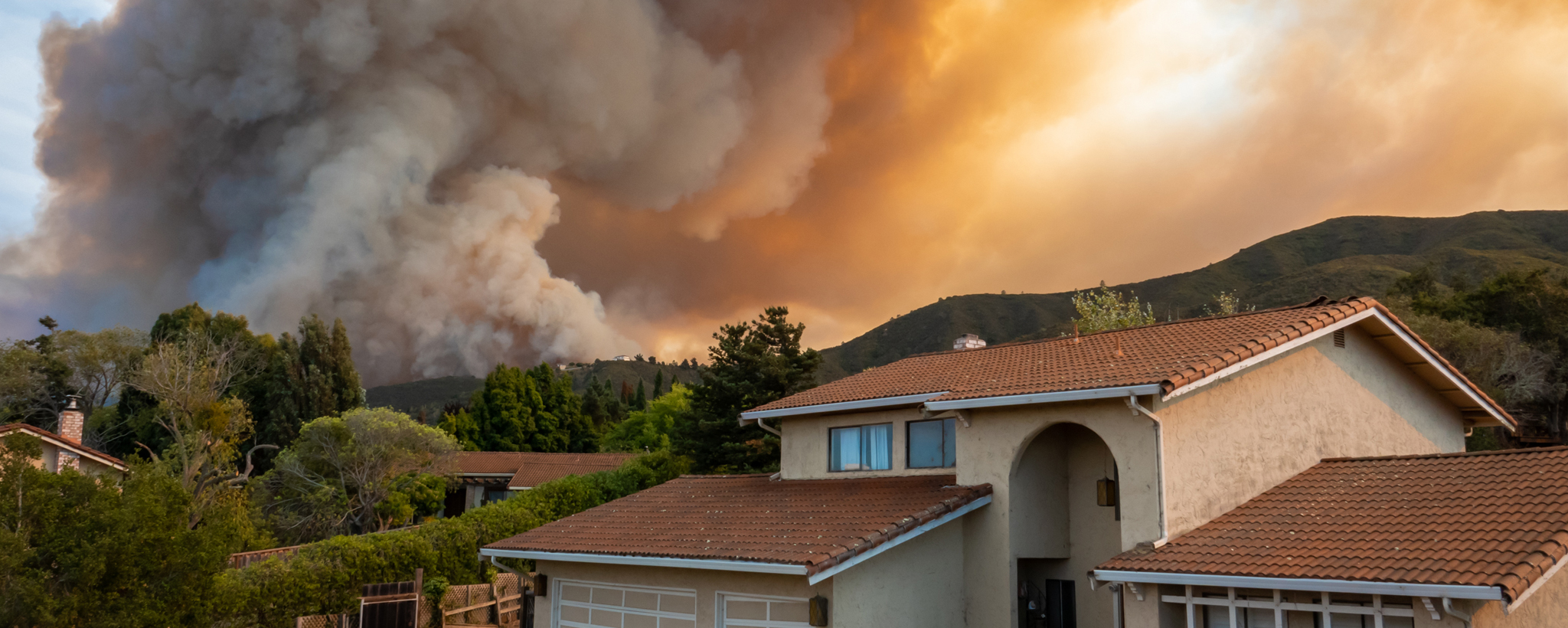
- Nuclear power plant accident. An accident could release radiation over an area, called a plume. CDC says you may be asked to get inside and shelter rather than leave.
- Dirty bomb. A mix of explosives and radioactive powder or pellets. It cannot cause an atomic blast. The explosion carries radioactive material into the surrounding area.
- Nuclear detonation. A blast with heat, light, pressure and radiation, and fallout that wind can carry long distances. The blast zones are in our blast radius guide.
The NRC lists 95 power reactor units in 28 states. See US nuclear plants by state for the sites near you.
Where to shelter
FEMA planning guidance says adequate shelter reduces radiation dose by a factor of 10 or more. Its examples are basements, the centers of large multi-story buildings, parking garages and tunnels. Cars and other vehicles are not adequate, and single-story wood frame houses without basements give limited shielding. Still, if a house is the only building you can reach in time, go in: FEMA says any shelter is better than being outside for extended periods.
CDC says to stay as far from the walls and roof as you can, because radioactive material settles on the outside of buildings. How to choose your shelter in advance.
You do not need to build a sealed room. FEMA says structures do not need to be airtight to protect against fallout radiation. Ready.gov lists plastic sheeting and duct tape in its general kit for sheltering in place, but its radiation guidance asks you to close windows and doors and turn off fans. Never delay getting inside to seal a room.
If a nuclear detonation happens
- Ready.gov says that with warning you should take cover from the blast. If you are outside, lie face down to protect exposed skin from heat and debris. After the shockwave passes, go inside the nearest building as quickly as possible.
- You will have 10 minutes or more before fallout arrives. If a multi-story building or basement can be safely reached within a few minutes, go there immediately.
- Stay in the most protective spot for the first 24 hours, unless there is an immediate hazard such as fire, a gas leak, building collapse or serious injury, or authorities say it is safe to leave.
Radiation from fallout falls quickly in the first hours and days. See how fast it fades.
How long to stay
Ready.gov says sheltering usually lasts at least 24 hours, and CDC says staying inside for at least 24 hours can protect you until it is safe to leave. Officials set the actual time. CDC says not to leave on your own: stay inside until an evacuation order is given. A short move from very poor shelter to adequate shelter nearby is different: see finding shelter.
If your family is apart
CDC says to stay where you are, because going outside to get loved ones could expose you and them to dangerous levels of radiation. CDC says schools and daycares will keep children inside until responders confirm that evacuation is safe. Ready.gov suggests learning school, work and care-facility plans now, and picking a meeting place and an out-of-state contact.
If you were outside
- Remove your outer layer of clothing carefully. Ready.gov says this can remove up to 90% of radioactive material. Avoid touching your eyes, nose and mouth.
- Shower or wash with soap and water if you can. If not, wipe skin and hair that was not covered with a clean wet cloth or wipe. Do not use household cleaning wipes on skin. Hand sanitizer does not protect against radioactive material.
- Put the clothing and cloths in a bag, away from people and pets.
- Gently brush pets that were outside, and wash them with soap and water if available.
Food, water and medicine
- Ready.gov says food already indoors, or in containers from outside that have been wiped off, is safe to eat. Do not eat fresh food from a garden.
- Bottled water or sealed drinks are best. Water from a toilet tank (not the bowl) and a water heater is also safe. If those run out, use tap water to stay hydrated.
- CDC says boiling tap water will not remove radioactive materials. FEMA adds that disinfecting will not make it safe either, and its public messages say water filters do not get rid of radiation.
- Keep taking your medication. Medicine that was inside, or in a wiped-off container, is safe.
Potassium iodide
Potassium iodide (KI) protects only the thyroid, and only from radioactive iodine. CDC says not to take it unless public health or emergency officials or a healthcare provider tell you to, and that it will not help in a nuclear bomb emergency. Leaving shelter to look for it could expose you to dangerous radiation. Read what FDA and CDC say about KI.
What to have ready
Ready.gov suggests several ways to receive alerts, a battery-powered or hand-crank radio, and a kit with a spare change of clothes for each person, a trash bag for contaminated clothing, and sealed food, water and medicine. See the supplies guide and our radio comparison.
If you live near a nuclear plant
The NRC describes two planning zones around a reactor site, whose size and shape vary by plant. The first extends about 10 miles, with plans for sheltering, evacuation and potassium iodide where appropriate. The second extends about 50 miles, with plans to avoid eating or drinking radioactive materials. Ask your county or state emergency management office what applies to your address.
Frequently Asked Questions
Where to Buy
We may earn a commission when you purchase through these links, at no extra cost to you. This helps pay for the site.
Water filters, including any listed here: do not rely on them for radiation. FEMA says water filters do not get rid of radiation. Follow that over any seller's claim. Do not rely on them alone for germs either: CDC says portable filters do not remove all germs, and to add a disinfectant after filtering. SafeHeit has not tested any product listed here.