72-Hour Emergency Kit Checklist for Beginners
The complete 72-hour emergency kit checklist designed for beginners. Everything you need for the critical first 3 days of any emergency, organized by priority with budget options.
Key Takeaways
- 1A complete 72-hour kit costs $100-250 per person — many items you already own at home
- 2Water is #1 priority: store 1 gallon/person/day for 3 days, plus a portable filter like Sawyer Squeeze ($37)
- 3Build both a home shelter kit and a lighter grab-and-go bag for evacuation scenarios
- 4Test your kit: can you find everything in the dark? Can you carry the go-bag for 30 minutes?
The 72-hour emergency kit is the foundation of all preparedness. FEMA, Red Cross, and every emergency management agency agrees: every household should have supplies to survive 72 hours without outside help. This checklist is designed for beginners — it's practical, affordable, and covers the essentials without overwhelming you.
Why 72 Hours?
72 hours is the standard timeframe for emergency self-sufficiency because that's typically how long it takes for organized disaster relief to reach affected areas. During Hurricane Katrina, many families waited 5+ days for help. Having your own supplies means you're not dependent on a system that may be overwhelmed.
Build one kit for sheltering at home and a smaller "go-bag" version for evacuation. Use this same checklist for both — the go-bag version should prioritize lightweight, compact items.
Water (The #1 Priority)
- 1 gallon per person per day x 3 days = 3 gallons minimum per person
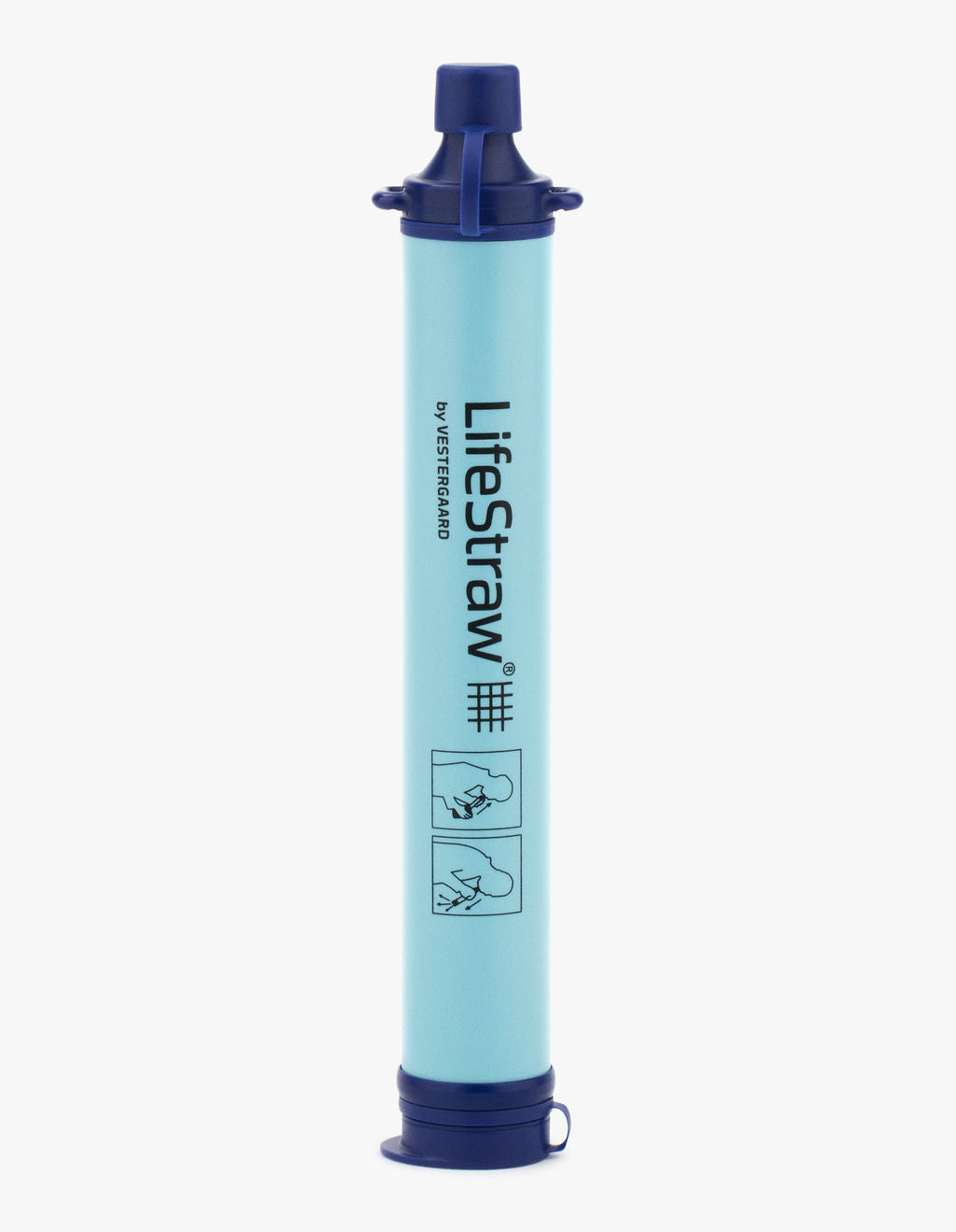
- Water purification: Sawyer Squeeze ($37) or LifeStraw ($19)
- Collapsible water container (3-5 gallon) for collecting/carrying water
- Water purification tablets as backup (Aquatabs or Potable Aqua)
Food
- 72-hour emergency food kit: 4Patriots ($27) or ReadyWise 72-Hour ($35)
- Energy bars: Clif, Kind, or Millennium bars (high calorie, long shelf life)
- Peanut butter or almond butter (shelf-stable calories)
- Canned goods with pull-top lids (beans, tuna, chicken, fruit)
- Manual can opener (if not using pull-tops)
- Utensils: fork, spoon, and bowl or plate
Shelter & Warmth
- Emergency Mylar blankets (pack of 4 — cheap and effective)
- Emergency bivy sack or sleeping bag (for evacuation)
- Tarp (8x10 minimum) + paracord (50 ft) for improvised shelter
- Change of weather-appropriate clothing in waterproof bag
- Rain poncho or waterproof jacket
- Sturdy shoes/boots (by the door, ready to go)
Light & Communication
- LED flashlight with extra batteries (or rechargeable)
- Headlamp (hands-free light is invaluable)
- Hand-crank NOAA radio: RunningSnail ($29) or Midland ER310 ($39)
- Battery bank: 20,000mAh minimum for phone charging
- Whistle (for signaling — louder than yelling, saves energy)
- Glow sticks (for marking paths, safe for children)
First Aid & Hygiene
- Comprehensive first aid kit (Adventure Medical Kits recommended)
- 7-day supply of personal medications in waterproof container
- Prescription copies and doctor contact info
- Hand sanitizer and soap
- Toilet paper + plastic bags (emergency sanitation)
- Feminine hygiene products
- Sunscreen and insect repellent
- Dust mask or N95 respirator (x5 per person)
Documents & Money
- Copies of IDs (driver's license, passport) in waterproof bag
- Insurance documents (home, auto, health)
- Cash: $200-500 in small bills ($1, $5, $10, $20)
- Emergency contact list (paper — phones may die)
- Local area map (don't rely on GPS)
- USB drive with scanned important documents
Tools
- Multi-tool or Swiss Army knife
- Duct tape (small roll)
- Lighter and waterproof matches (2 fire methods minimum)
- Permanent marker and notepad
- Zip ties (assorted sizes)
- Work gloves
Total Estimated Cost
A complete 72-hour kit can be built for $100-250 per person. Many items you already own. Start with what you have, fill in the gaps over 2-3 shopping trips. The most important step is starting — a partial kit is infinitely better than no kit at all.
Frequently Asked Questions
Final Thoughts
Print this checklist, walk through your house, and check off what you already have. You'll be surprised how much you can pull together right now. Then buy the gaps over the next week. Store everything together in a plastic bin or backpack. Test it: can you find everything in the dark? Can you carry the go-bag version for 30 minutes? Preparedness isn't a product — it's a habit.
Where to Buy
We may earn a commission when you purchase through these links, at no extra cost to you. This helps pay for the site.