72-Hour Bug-Out Bag Checklist: Everything You Need to Evacuate Fast
A complete, priority-ranked checklist for building a 72-hour evacuation bag based on FEMA and Red Cross guidelines. Covers water, food, shelter, first aid, communication, and documents.
Key Takeaways
- 1Keep your bug-out bag under 25 lbs and staged near the front door — you may have minutes to evacuate
- 2ReadyWise 72-Hour Kit + Sawyer Squeeze filter + Midland ER310 radio covers food, water, and communication
- 3Pack for 72 hours only — this is an evacuation bag, not a long-term survival kit
- 4Practice a timed evacuation drill with your family at least twice a year to build muscle memory

Introduction
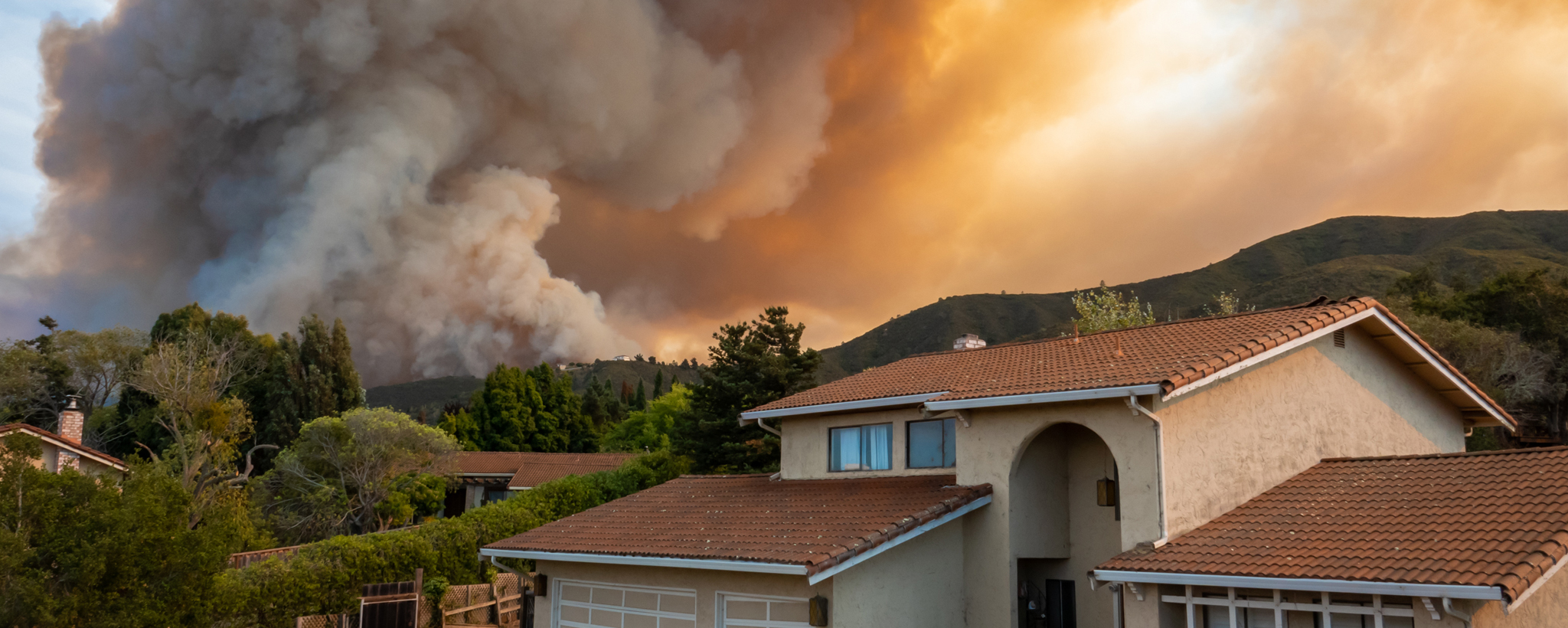
In early 2026, escalating Middle East tensions brought a pointed reminder of something emergency managers have long understood: the scenarios that require rapid evacuation aren't only foreign conflicts. Wildfires, flash floods, chemical spills, and hurricane evacuations all share the same core requirement — the ability to leave home quickly with everything your family needs for 72 hours.
FEMA's official guidance recommends that every household maintain a ready-to-go evacuation kit. The Red Cross echoes this with its own emergency kit standards, recommending supplies sufficient for at least three days per person. Yet surveys consistently show that fewer than half of American households have any evacuation supplies prepared.
This checklist walks you through exactly what to include in a 72-hour evacuation bag — organized by category, priority, and practicality.
- A complete 72-hour evacuation bag covers water, food, shelter, first aid, communication, and documents for one person for three days
- The go bag should weigh no more than 20–25% of the carrier's body weight — build for mobility, not just completeness
- Pre-made kits like the ReadyWise 72-Hour Kit cover the food layer; you still need to add personal documents, medications, and communication tools
- One Sawyer Squeeze Water Filter can purify over 100,000 gallons — it replaces a huge amount of stored water weight
- Refresh your bag every 12 months: rotate food, replace expired medications, and update documents
What Is a 72-Hour Evacuation Bag?
A 72-hour evacuation bag — also called a go bag or grab bag — is a pre-packed backpack or duffel containing everything one person needs to sustain themselves for three days away from home. The "72 hours" standard is based on FEMA's guidance that most acute emergency situations are either resolved or transitioned to organized relief operations within three days.
Preparedness professionals generally recommend one bag per adult, with a lighter supplementary pack for older children (ages 10+). A single family bag becomes impractical if members get separated, and it concentrates all your supplies in one location. Two adults with individual bags provides redundancy.
The Complete 72-Hour Evacuation Bag Checklist
Use this checklist to build or audit your evacuation bag. Items marked (Priority 1) are non-negotiable. Items marked (Priority 2) add meaningful capability. Items marked (Priority 3) are valuable but can be deferred.
Water and Hydration
- (Priority 1) 1–2 liters of water in a BPA-free bottle or collapsible container
- (Priority 1) Portable water filter — the Sawyer Squeeze Water Filter filters to 0.1 micron, removes bacteria and protozoa, and lasts over 100,000 gallons
- (Priority 2) Water purification tablets (iodine or chlorine-based) as a backup
- (Priority 2) Collapsible water reservoir (1–2 liter) for sourcing water in the field
Food and Nutrition
- (Priority 1) 3-day food supply: minimum 1,500–2,000 calories per day per adult
- (Priority 1) No-cook options: energy bars, nut butter packets, jerky, dried fruit, crackers
- (Priority 2) Freeze-dried meals (require only boiling water, compact and calorie-dense)
- (Priority 2) Manual can opener if any canned goods are included
- (Priority 3) Single-serve instant coffee or tea (morale matters)
The ReadyWise 72-Hour Kit provides a purpose-built three-day food supply designed specifically for a go bag. It includes breakfast and dinner pouches with a 25-year shelf life, already sized for one person.
Shelter and Warmth
- (Priority 1) Emergency sleeping bag or thermal bivvy — packs to the size of a water bottle, retains up to 90% of body heat
- (Priority 1) Emergency poncho or compact rain jacket
- (Priority 2) Tarp or emergency bivy tent (lightweight options: 8–14 oz)
- (Priority 2) Extra socks and a base layer in a sealed plastic bag
- (Priority 3) Compact sleeping pad or foam sit pad
First Aid
- (Priority 1) Comprehensive first aid kit: bandages, gauze, adhesive tape, antiseptic wipes, antibiotic ointment, blister treatment
- (Priority 1) Personal prescription medications: minimum 7-day supply in original labeled containers
- (Priority 1) Non-prescription pain reliever (ibuprofen or acetaminophen)
- (Priority 1) Any specialized medical equipment (EpiPen, blood pressure cuff, glucose meter)
- (Priority 2) Antihistamine and anti-diarrheal medication
- (Priority 2) Nitrile gloves (2+ pairs) for wound care
- (Priority 3) SAM splint and elastic bandage for sprains and fractures
For anyone who takes daily prescription medication, a 7-day supply in your go bag is arguably more important than food. During an evacuation, refilling prescriptions can take days. Talk to your doctor about obtaining an extra emergency supply; many insurers allow a one-time early refill for documented emergency preparedness purposes.
Communication and Navigation
- (Priority 1) Emergency weather radio — the Midland ER310 receives NOAA weather alerts, AM/FM broadcasts, charges via hand crank, solar, or USB, and includes a flashlight and phone charging port
- (Priority 1) Portable battery bank (minimum 10,000 mAh) with charging cables
- (Priority 1) Paper maps of your local area and evacuation routes (GPS may be unavailable)
- (Priority 2) Compass
- (Priority 2) Whistle (high-decibel signaling tool that never runs out of battery)
- (Priority 3) Two-way radios (GMRS or FRS) if evacuating with family members separately
Light and Fire
- (Priority 1) Headlamp with fresh batteries (hands-free lighting)
- (Priority 1) Extra batteries for headlamp
- (Priority 2) Lighter and waterproof matches in a sealed bag
- (Priority 2) Fire starter (ferro rod)
- (Priority 3) Small candle or chemical light sticks
Documents and Cash
- (Priority 1) Copies of critical documents in a waterproof bag: photo ID, passport, insurance cards, vehicle registration, birth certificates, Social Security cards
- (Priority 1) Cash in small bills ($100–$200 minimum) — ATMs and card readers may be offline
- (Priority 2) USB drive with digital copies of all documents
- (Priority 2) Emergency contact list on paper (phone battery won't last 72 hours)
Hygiene and Sanitation
- (Priority 1) Hand sanitizer
- (Priority 1) Toilet paper (compressed travel roll)
- (Priority 2) Biodegradable soap (a 1 oz travel bar)
- (Priority 2) Personal hygiene items: toothbrush, toothpaste, feminine hygiene products if needed
- (Priority 2) Waste bags
- (Priority 3) Unscented wet wipes
How to Pack Your Evacuation Bag
Weight distribution matters as much as the items you pack. Heavy items (water, food, tools) closest to your back at mid-spine height. Frequently accessed items (first aid, snacks, phone charger) in exterior pockets. Emergency blanket or rain gear in the top pocket for fast access.
Target weight: 20–25% of body weight. For a 150-lb adult, that's 30–37 lbs maximum. Most well-packed go bags land at 20–28 lbs.
Pack your bag, put it on, and walk around your neighborhood for 20–30 minutes once a year. You'll quickly discover what's uncomfortable, what you forgot, and what feels excessive. Annual drills also help kids feel comfortable with evacuation bags.
Frequently Asked Questions
What's the difference between a 72-hour kit and a go bag?
The terms are used interchangeably. Both refer to a pre-packed supply kit designed to sustain one person for approximately three days during an emergency evacuation. FEMA uses "emergency supply kit" as the official term.
How much should a 72-hour evacuation bag weigh?
Aim for 20–25% of the carrier's body weight — roughly 25–35 lbs for most adults. If weight is a concern, prioritize water filtration over stored water, a compact emergency sleeping bag over a bulky blanket, and energy-dense food bars over canned goods.
Should children have their own evacuation bags?
Children 10 and older can carry a lighter, age-appropriate bag with their own water, snacks, a jacket, and comfort items. Keep their bag to 10–15% of their body weight. Children under 10 should not be expected to carry their own supplies — their items go into an adult's bag.
How often should I update my evacuation bag?
Review your bag annually at a minimum. Check expiration dates on food and medications, test batteries in your headlamp and radio, and update document copies if any have changed. Also review your bag after any significant household change: a new medication, a new family member, or a move to a new area.
Do I need a go bag if I live in a low-risk area?
Evacuation scenarios aren't only about proximity to hurricanes or wildfires. House fires — the most common home emergency — can force immediate evacuation without warning. Chemical spills, gas leaks, and localized flooding can affect any neighborhood. A go bag is valuable regardless of your geographic risk profile.
Frequently Asked Questions
Bottom Line
A well-packed 72-hour evacuation bag is the most practical single investment you can make in your family's emergency preparedness. It doesn't require a large upfront cost, a storage room, or special skills — just a systematic afternoon of packing.
Start with the Priority 1 items on this checklist. Add a ReadyWise 72-Hour Kit for the food layer, a Sawyer Squeeze filter for water, and a Midland ER310 for communication. Those four products alone cover your most critical bases.
Where to Buy
We may earn a commission when you purchase through these links, at no extra cost to you. This helps pay for the site.